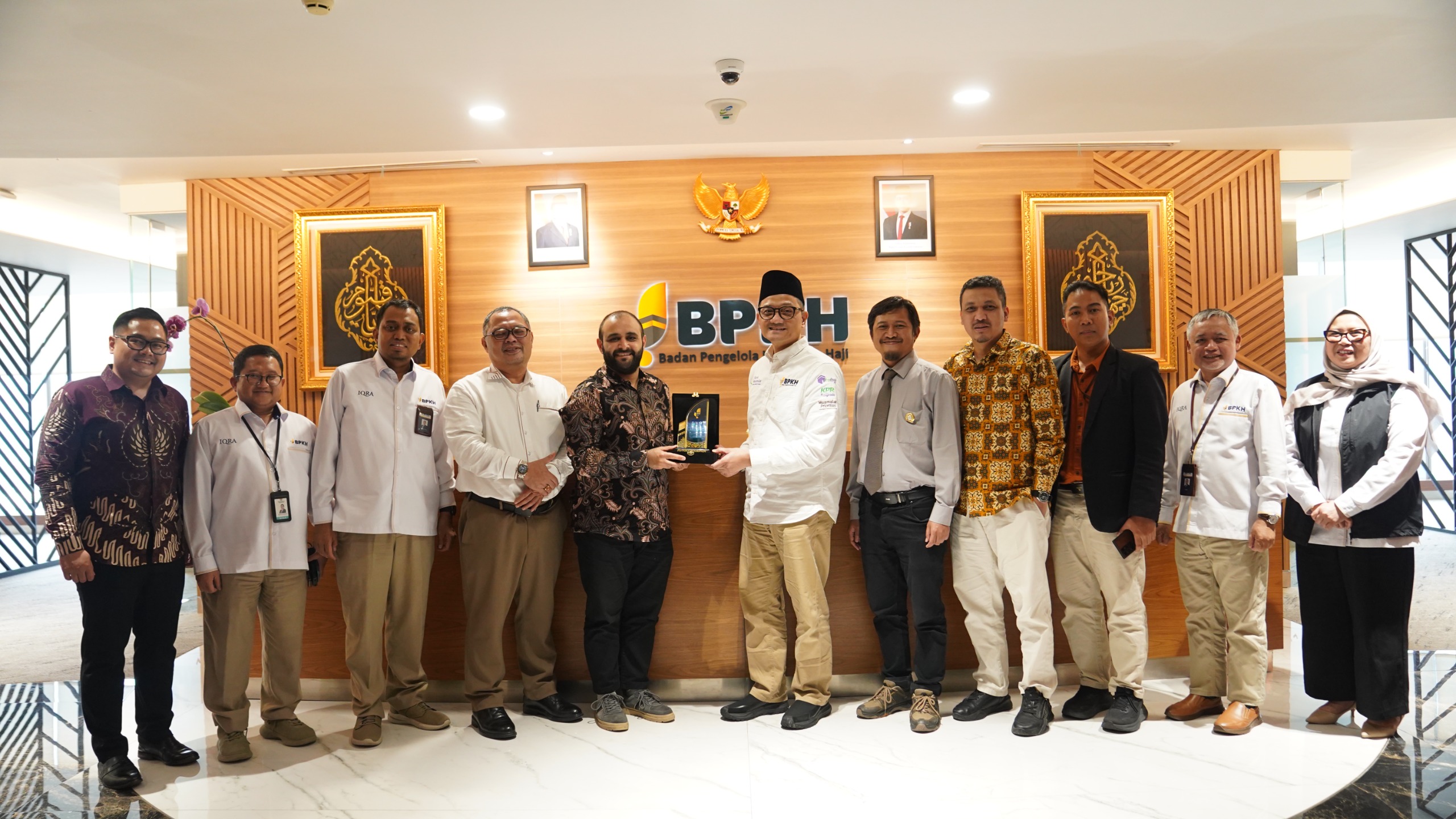
The Hajj and Umrah economic ecosystem is to be given a dedicated place on the agenda of SAKİNAH TÜRKİYE 2026: Global Forum on Islamic Finance, following the opening of exploratory talks on strategic collaboration between the Regional Executive Board of the Indonesian Association of Islamic Economists (IAEI) Türkiye and the Hajj Financial Management Agency (BPKH) of the Republic of Indonesia.
The talks encompass collaborative research in Islamic economics and finance, the participation of BPKH as a speaker in the forum’s CEO Talks session, and a broader institutional partnership between the two organizations.
A Space Long Left Empty
Indonesia is the world’s largest Hajj-sending country, generating economic activity that touches millions of pilgrims each year. The economic ecosystem underpinning it, however, has seldom been treated as a subject in its own right within international Islamic finance forums. It is precisely this theme that IAEI Türkiye has now brought onto the agenda of SAKİNAH TÜRKİYE 2026.
“We made a deliberate decision to include the Hajj and Umrah Economic Ecosystem as a dedicated theme at SAKİNAH TÜRKİYE 2026. This is an issue that involves an enormous flow of economic activity and touches millions of pilgrims every year, yet it has rarely been given a space of its own in international Islamic finance forums. We want to open that space,” said Asst. Prof. Dr. Aam Slamet Rusydiana, Chairperson of IAEI Türkiye.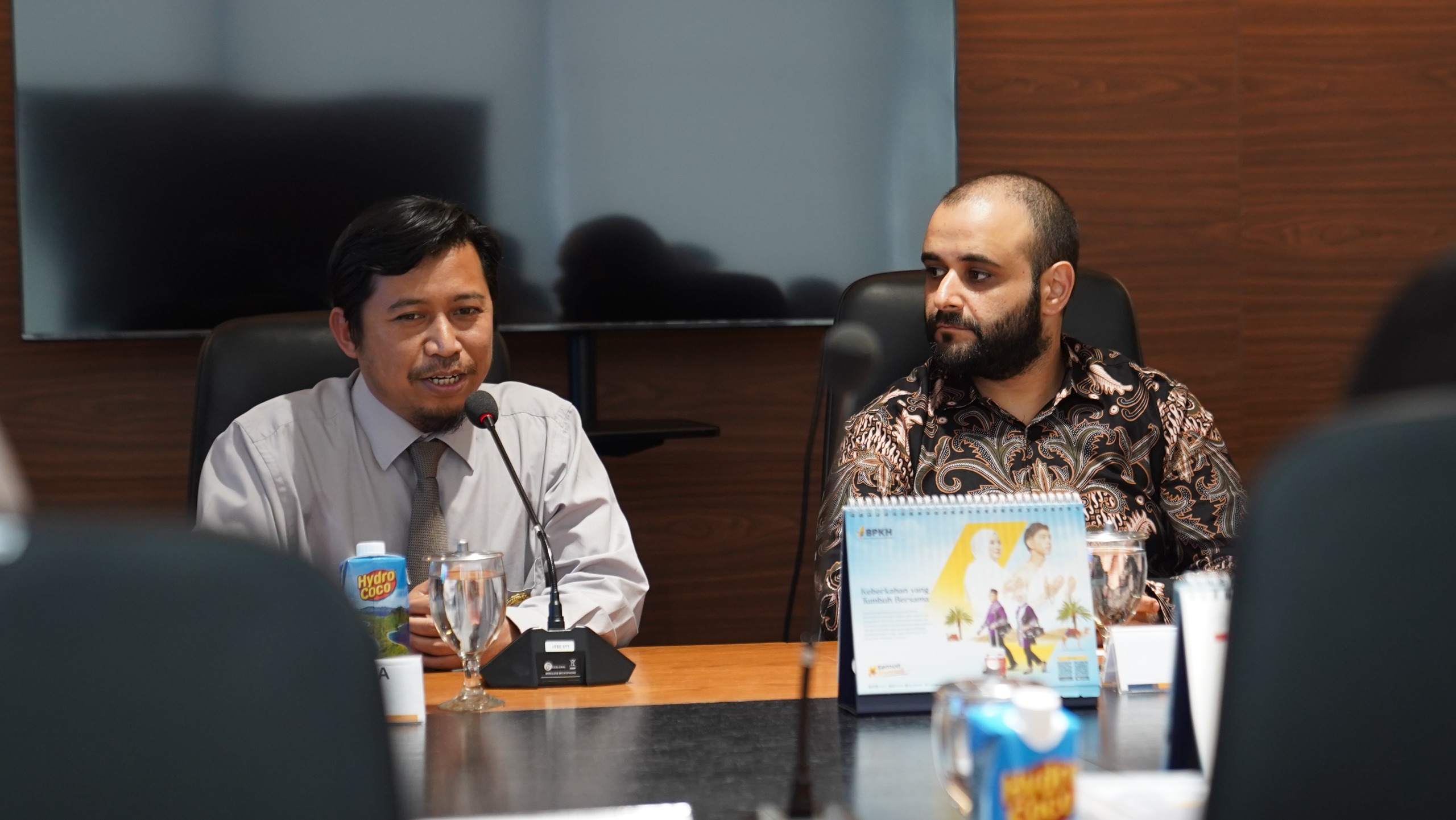
The Indonesian Model as a Subject of Study
BPKH’s experience in managing one of the largest Hajj funds in the world is regarded as a case study of considerable value to academics, policymakers, and practitioners across the Islamic finance industry. Discussion is expected to centre on strategies for diversifying investment portfolios in order to enhance the returns and long-term sustainability of Hajj funds, while upholding the highest standards of sharia compliance, prudential governance, and public accountability.
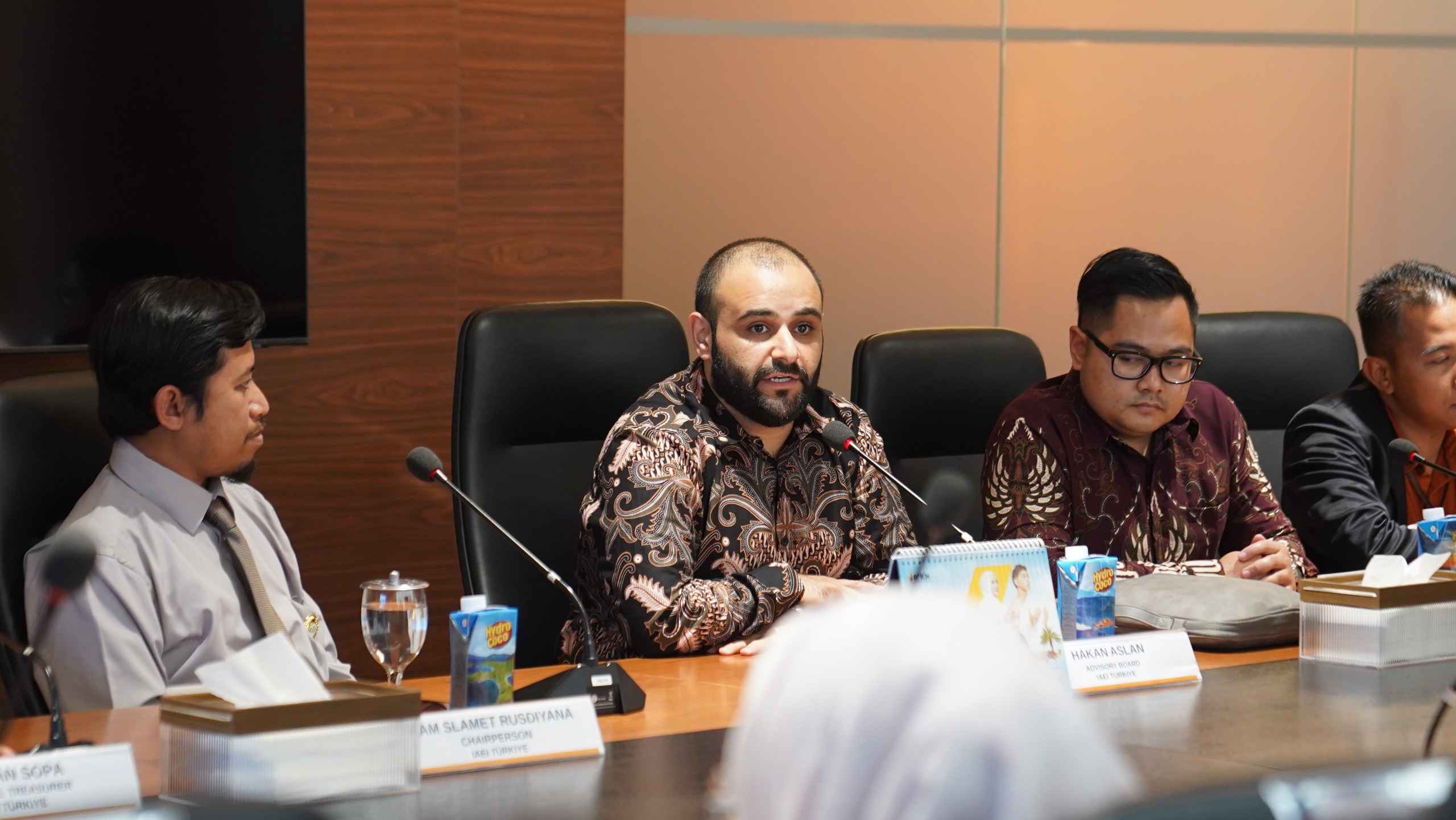
“Every country has developed its own model of Hajj and Umrah management, and that is precisely where the value of comparative learning lies. Indonesia has a distinctive scheme in which the returns generated from the investment of Hajj funds are used to ease the costs borne by pilgrims. Experience of this kind deserves to be studied and brought into dialogue with the models emerging in Türkiye and elsewhere,” said Assoc. Prof. Dr. Hakan Aslan, Advisory Board of IAEI Türkiye.
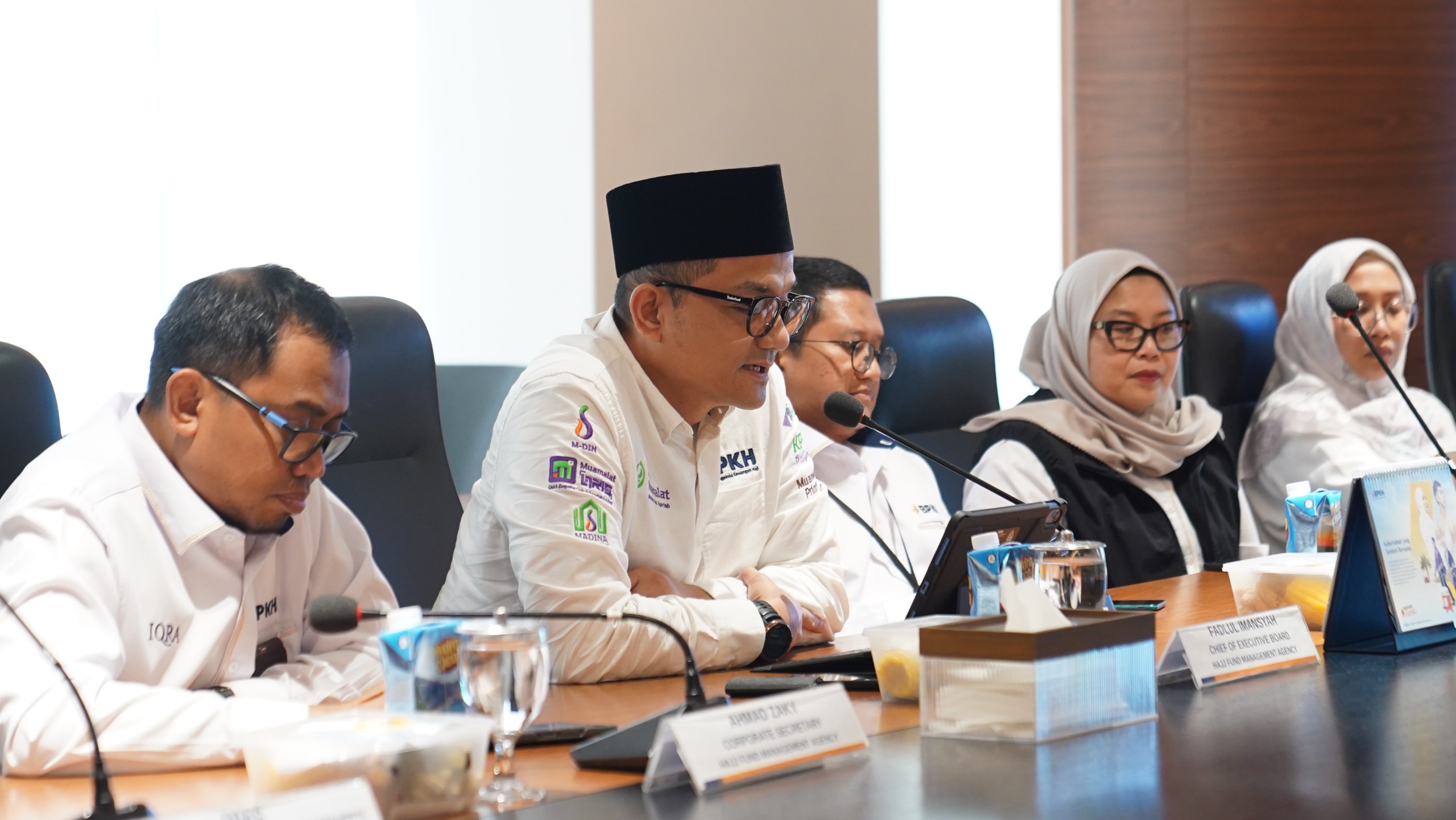
“Indonesia is the world’s largest Hajj-sending country, yet academic study of its economic ecosystem remains limited within international forums. Bringing this theme onto the global stage is not merely a matter of visibility; it is a matter of building a body of knowledge that policymakers can genuinely draw upon,” said Dr. Fadlul Imansyah, S.E., M.M., CIFP., AAK., Chief of the Executive Board of BPKH.
A Bridge Between Indonesia and Türkiye
IAEI Türkiye holds that closer cooperation between the two institutions can serve as a strategic bridge connecting Indonesia and Türkiye in research, policy development, education, and international collaboration across Islamic economics and finance. Both parties remain open to formalizing the collaboration within a more binding framework at a subsequent stage.